
Slab Post Pour Inspection
Slab - Post Pour Inspection
The slab post pour inspection is usually carried out at the same time as the frame inspection. The post pour slab inspection is a comprehensive and detailed assessment of all post-pour slab components and workmanship. During this inspection, we thoroughly examine the slab to confirm it is structurally sound and built to the required standards.
This stage is critically important. Together with the frame, the slab forms the structural “skeleton” of your home. Any flaws in either component can lead to significant defects throughout the rest of the building.
Following this process helps us identify any defective or non-compliant work early, ensuring your home is built safely and to standard.
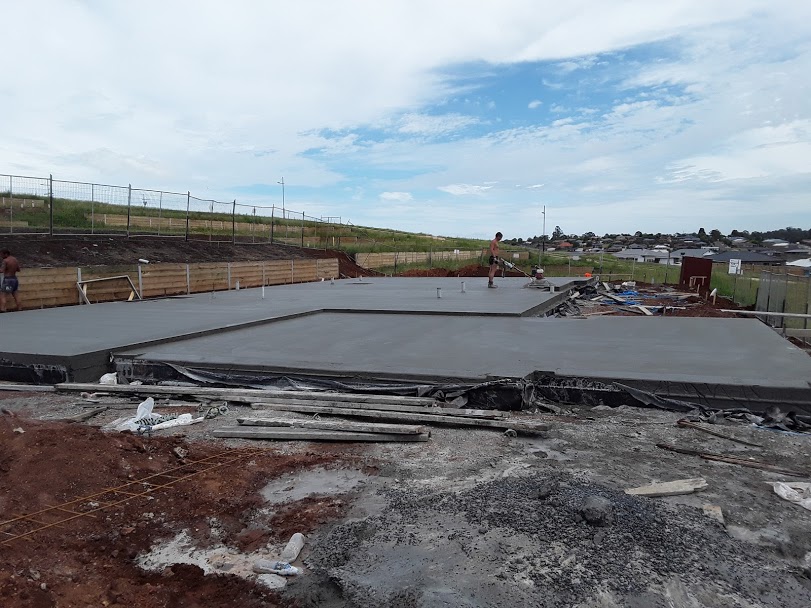
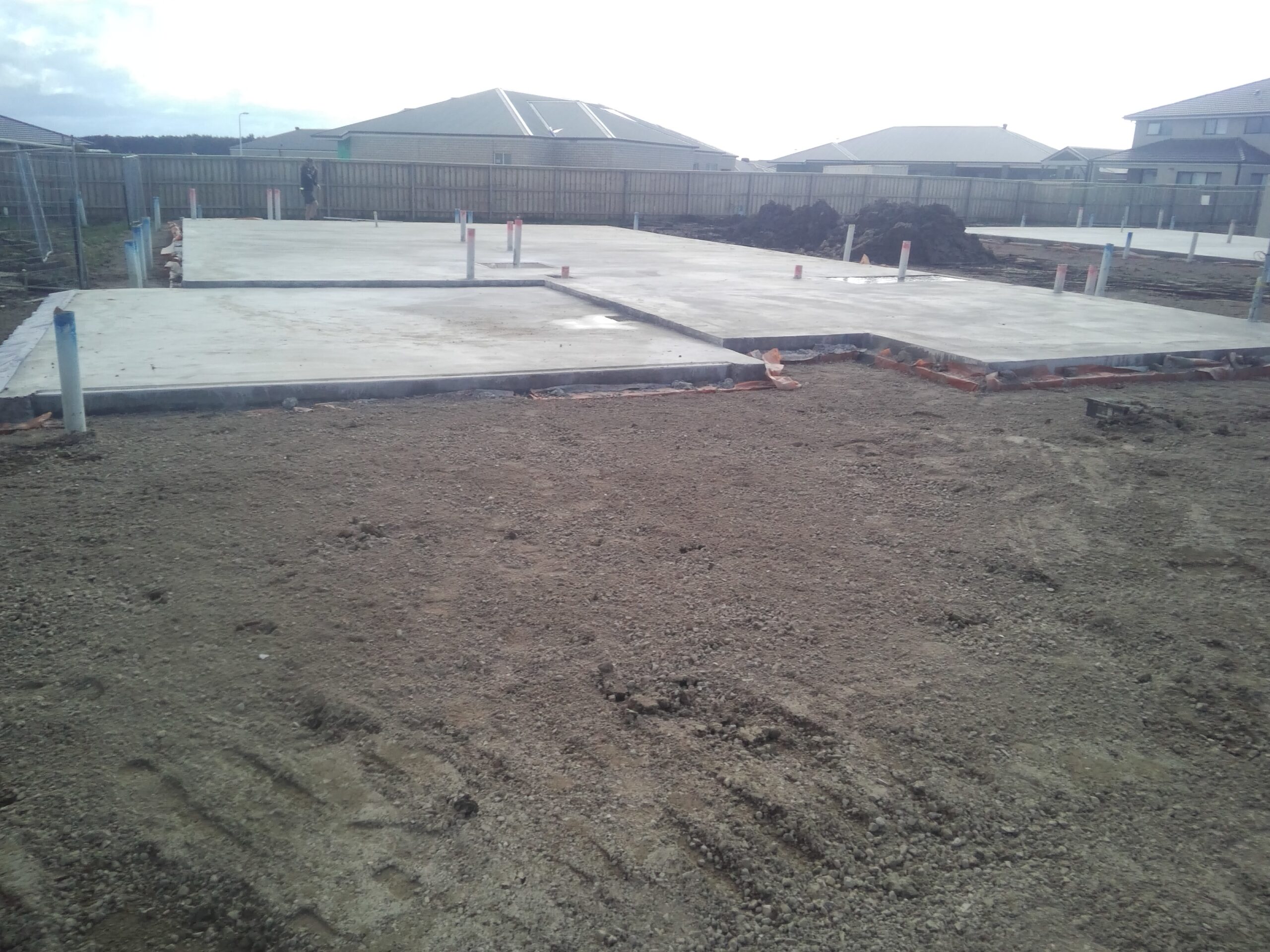
Utilising the NCC, Building legislation, Australian Standards- AS 2870 and more; we check items such as-
- Levelling of finished surfaces
- Cracks
- Dusting (chalk like surface)
- Gridding (steel fabric to close to the surface)
- Over pour (often caused by misplaced or blown out formwork)
- Honey combing (lack of vibration during pour)
- Exposed steel (concrete cancer)
- Poor workmanship
Utilising the NCC and AS 2870, AS 1684 and AS 4440 we check items such as-
Slab
Level finishes
Cracks and or Dusting
Over pour
Vibration
Exposed steel
Frame
Bracing components
Wall straightening (plumb)
Brackets and other connections
Frame overhang
Junctions
Load paths
Noggins
Bulkheads
Flooring laid correctly
Nails and other connections
Correct materials used and signs of damage etc
Roof truss layout and connections
A quick note:
It’s best for this inspection to happen before any roofing materials are installed, so any issues can be fixed early—before extra weight is added to the structure.
If roofers are on site when we arrive, we won’t be able to enter the area due to safety requirements.
We carry out the frame inspection once the frame is fully built, including the installation of the roof trusses and all bracing. To help us see everything clearly, please ensure no pliable membrane (sisalation) has been wrapped around the home before we arrive. This material can block our view of the external bracing and make it difficult—or even impossible—for us to check everything properly.
Following this process helps us identify any defective or non-compliant work early, ensuring your home is built safely and to standard.